Blog

Your blog category

morning stretches

9 Morning Stretches to Kickstart Your Day

“Discover nine essential morning stretches to improve flexibility, boost energy, and start your day positively. Easy and quick stretches for all fitness levels!” Starting your day with morning stretches is one of the best ways to boost your energy, improve flexibility, and shake off stiffness from sleep. Incorporating simple stretches into your routine can transform your mornings and set a positive tone for the day ahead. visithttps://www.pinterest.com/pin/81064862027024752/ Here are 9 must-do morning stretches that are quick, effective, and perfect for all fitness levels. Begin your morning with a calming stretch that opens up your hips, lower back, and shoulders. Wake up your spine with this dynamic movement. Loosen tight hamstrings and lower back muscles with this stretch. Lengthen your torso and improve your posture. Release tension in your back with this classic stretch. Ease neck stiffness from a night’s sleep. Loosen your inner thighs and hips with this seated stretch. Wake up your hamstrings and calves with this stretch. End your morning stretches with this full-body favorite. Tips for Your Morning Stretches Final Thoughts Incorporating morning stretches into your daily routine is https://zorbun.com/wp-admin/post.php?post=2173&action=edita simple yet effective way to improve flexibility, relieve stiffness, and start the day with energy. These 9 stretches are easy, quick, and perfect for boosting physical and mental well-being. related blogs Take just 10 minutes every morning for these stretches, and notice the positive difference in your mood throughout the day!

9 Morning Stretches to Kickstart Your Day Read More »

yoga benefits

13 Incredible Yoga Benefits for Body and Mind

“Discover 13 amazing yoga benefits for your health and well-being. Learn how yoga boosts flexibility, reduces stress, enhances strength, and improves mental clarity.” Yoga has become a global phenomenon, and for good reason! It offers a unique combination of physical, mental, and emotional benefits, making it a transformative practice for people of all ages. Whether you’re new to yoga or a seasoned practitioner, its ability to enhance flexibility, reduce stress, and boost overall well-being is undeniable. Regular practice allows you to connect with your body and mind, helping you feel more balanced and focused. Understanding these yoga benefits can inspire you to roll out your mat and make yoga a part of your routine, improving your life one pose at a time. One of the most well-known benefits of yoga is increased flexibility. Regular practice stretches your muscles, allowing you to move more freely and reduce stiffness. Yoga doesn’t just stretch your body—it strengthens it too. Poses like Plank and Warrior build muscle endurance and tone, improving your overall physical power. Poor posture often leads to discomfort, aches, and even long-term strain on the body. Yoga offers a practical solution by strengthening your core and back muscles, essential for maintaining proper alignment. Through regular practice, yoga helps you stand taller and reduces the discomfort caused by slouching or sitting for long hours. Over time, it improves your body awareness, making it easier to maintain good posture in daily activities, whether at work, exercising, or home. This simple yet effective benefit can significantly enhance your overall comfort and well-being. Stress relief is one of yoga’s most significant benefits. Deep breathing and mindfulness techniques calm the nervous system, helping you relax and unwind. Yoga combines physical movement with mental focus, improving concentration and sharpening your mind. It’s a natural way to enhance your cognitive abilities. do visit Standing poses like Tree Pose and Eagle help enhance stability. This benefit is particularly important as we age, reducing the risk of falls. Feeling drained? Yoga benefits your energy levels by improving circulation and reducing fatigue. A few sun salutations can give you a quick energy boost. Practicing yoga before bed can relax your body and mind, improving sleep quality. Restorative poses are especially effective for winding down. Yoga’s mindful approach to movement and eating can help manage weight. While it may not burn as many calories as intense workouts, yoga builds awareness, reducing overeating. Gentle yoga benefits those with arthritis or joint pain. The controlled movements lubricate joints, increase mobility, and reduce discomfort. Regular practice reduces stress hormones, improves circulation, and supports lymphatic drainage. These yoga benefits combine to boost your body’s natural defenses. Yoga connects you with your inner self. This heightened awareness can help you make better decisions, enhance relationships, and foster a deeper sense of purpose. Yoga benefits your heart health by lowering blood pressure and improving circulation. It’s a gentle yet effective way to support your cardiovascular system. Final Thoughts on Yoga Benefits The beauty of yoga lies in its ability to transform both body and mind, offering benefits that go far beyond the physical. These 13 yoga benefits highlight why it’s a practice worth embracing, regardless of age or fitness level. Yoga is more than exercise; it’s a pathway to improved well-being, inner peace, and resilience. other blogs Are you ready to experience the magic of yoga for yourself? Roll out your mat, take a deep breath, and begin your journey. With each session, you’ll feel stronger, calmer, and more balanced—ready to face life with renewed energy and focus.

13 Incredible Yoga Benefits for Body and Mind Read More »

Block Yoga

Block Yoga: 21 Exercises to Enhance Strength and Flexibility

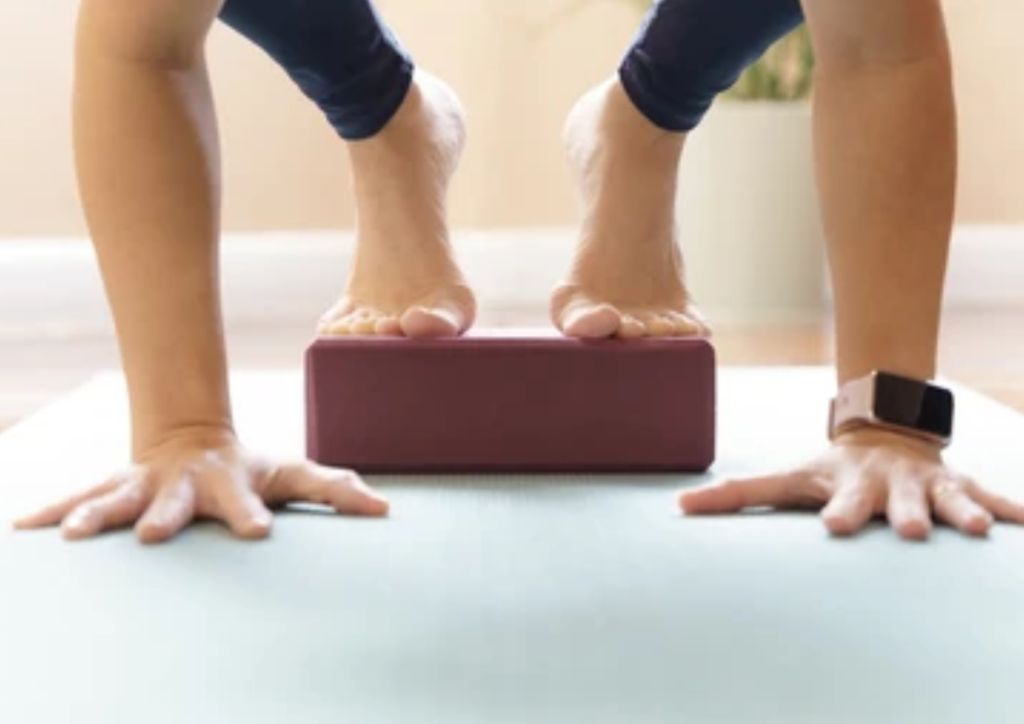
“Discover 21 block yoga exercises to deepen stretches, improve balance, and build strength. Learn how yoga blocks can transform your practice with these easy techniques!” Block yoga is an excellent way to take your yoga practice to the next level. Yoga blocks are versatile tools that help enhance flexibility, deepen stretches, and improve alignment. Whether you’re a beginner or a seasoned yogi, incorporating block yoga exercises into your routine can provide greater support and stability while challenging your body in new ways. Below, explore 21 block yoga exercises that target various muscle groups and improve overall fitness. Place a yoga block under your sacrum to support your lower back during the bridge pose. This variation provides gentle relief and helps open up the hips. Sit between two blocks, with one supporting your hips and the other behind your back for gentle recline support. This position is perfect for tight quads. Place your hands on blocks during a forward fold to reduce strain and keep proper alignment, especially if your hamstrings are tight. Use a block under your bottom hand to create more space and improve stability in this challenging pose. Place a block between your thighs while holding a plank. Squeezing the block engages your core and inner thighs more effectively. Sit on a block to elevate your hips while reaching forward. This makes the pose accessible and comfortable for beginners. Place your lower hand on a block for stability and balance while extending into the half-moon pose. Using a block under your bottom hand in this pose improves rotation and helps maintain proper alignment. Hold a block between your hands or knees to add resistance and engage your core in the boat pose. Rest your forehead on a block in a child’s pose for a more relaxing and therapeutic experience. Use blocks under your hands during low lunge stretches to help balance and reduce strain. Place a block between your thighs while performing the camel pose. This helps stabilize your legs and protect your lower back. Support your hip or hands with a block in pigeon pose to relieve pressure and improve alignment. Lay back on a block placed between your shoulder blades. This opens up the chest and improves posture. Squeeze a block between your thighs in a chair pose to engage your legs and improve alignment. Use a block under your hands or raised leg for extra stability in Warrior III. Place your feet on a block to elevate yourself into a crow pose. This pose is great for beginners learning arm balances. Rest your hands on blocks during downward dog to ease wrist tension and lengthen your back. A block under your lower hand in a triangle pose improves stability and deepens the stretch. Support your knees with blocks in a reclined bound angle pose to release hip tension. Lay on your back with a block under your upper back to gently stretch the chest and shoulders. Why Include Block Yoga in Your Routine? Incorporating block yoga exercises allows you to modify poses for comfort, deepen stretches, and build strength. Blocks are not just for beginners—they’re valuable tools for confidently advancing your practice. Start using these 21 block yoga exercises today to transform your routine, boost flexibility, and enhance your overall yoga experience!

Block Yoga: 21 Exercises to Enhance Strength and Flexibility Read More »

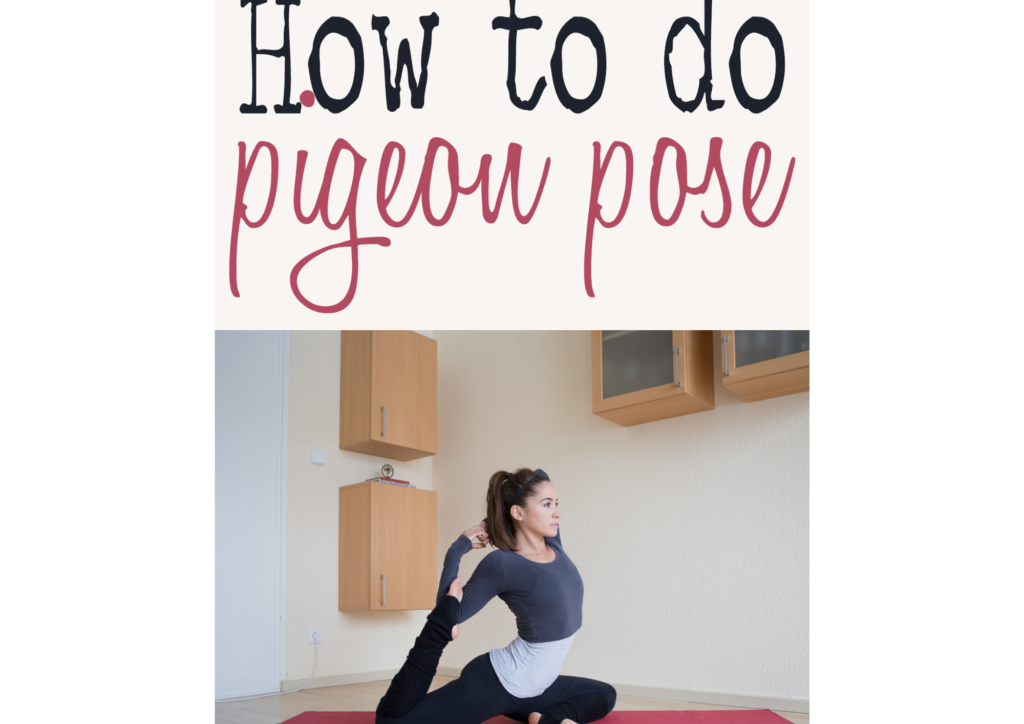
Pigeon Yoga: Unlock Flexibility and Relieve Tension

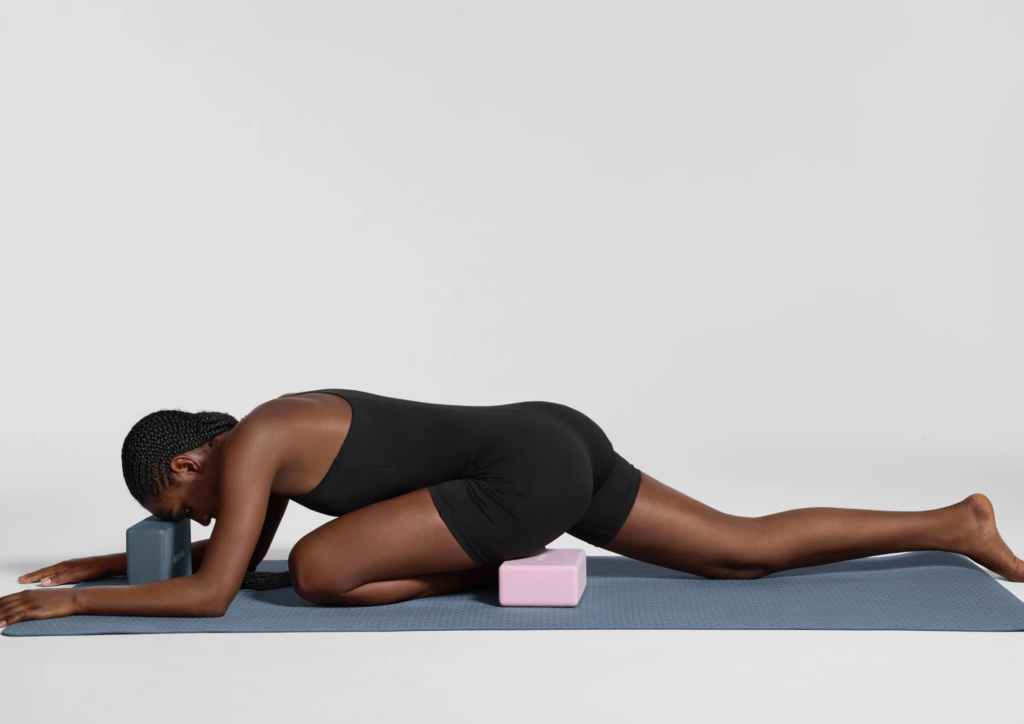
“Discover the benefits of pigeon yoga pose! Learn step-by-step how to do pigeon yoga with or without blocks to boost flexibility, release tension, and improve posture.” Pigeon yoga, or Kapotasana, is a popular yoga pose known for its ability to enhance flexibility and release tension, particularly in the hips and lower back. Whether you’re a beginner or an experienced yogi, mastering pigeon yoga can help improve posture, reduce stress, and promote overall relaxation. Practicing pigeon yoga offers numerous physical and mental benefits, including: Step-by-Step Guide 4. Modifying Pigeon Yoga Pose with Yoga Blocks Using yoga blocks can make pigeon pose yoga accessible for beginners or those with limited flexibility. Steps with Blocks These modifications ensure proper alignment and make the pose more comfortable, allowing you to enjoy its benefits without overexertion. Pigeon pose yoga is a transformative pose that combines physical flexibility with mental relaxation. Whether you practice traditionally or use yoga blocks, it’s a valuable addition to any yoga routine. Embrace this pose to unlock tight hips, release stress, and elevate your well-being. Start your pigeon yoga journey today and feel the difference in your body and mind!

Pigeon Yoga: Unlock Flexibility and Relieve Tension Read More »

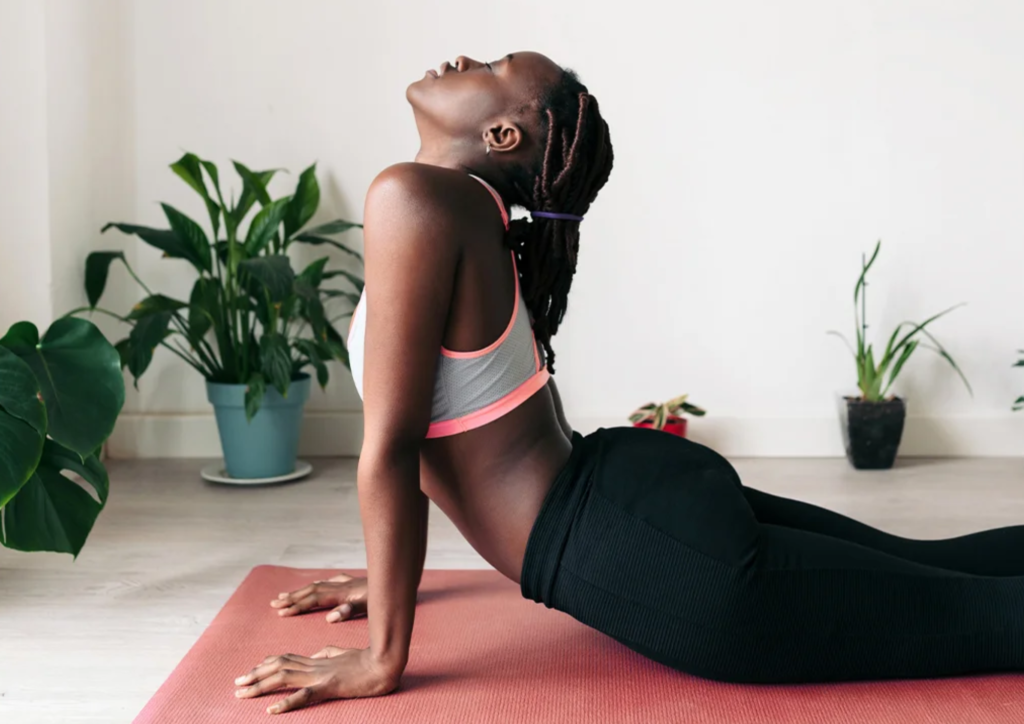
Master Cobra Pose: Steps, Benefits & Block Tips

“The Cobra Pose enhances strength, flexibility, and mindfulness. Learn how to master it and use yoga blocks for added support and deeper benefits.” Master the Cobra Pose: Elevate Your Flexibility and Core Strength The Cobra Pose, or Bhujangasana, is a fundamental yoga posture that promotes flexibility, strengthens your core, and opens your chest for better breathing. This pose is a favourite among beginners and seasoned yogis alike for its simplicity and effectiveness in relieving back and shoulder tension and wondering how to master it. Let’s dive into a detailed guide to performing the Cobra Pose, including modifications with yoga blocks for added support and precision. How to Perform the Cobra Pose Using Yoga Blocks for Cobra Pose Incorporating yoga blocks can be incredibly beneficial for those new to yoga or looking to deepen their practice. Benefits of the Cobra Pose Tips for Success The Cobra Pose is a gateway to improved strength, flexibility, and mindfulness. Whether you’re a beginner or an experienced yogi, mastering this pose will set the foundation for a robust yoga practice. Adding yoga blocks not only makes the pose more accessible but also enhances its therapeutic benefits. Try it today and experience the transformation in your body and mind!

Master Cobra Pose: Steps, Benefits & Block Tips Read More »

16 Morning Yoga Poses with Blocks to Start Your Day Right

Mornings are the perfect time to awaken your body, set your intentions, and prepare for the day ahead. Adding yoga blocks to your routine enhances your practice and ensures proper alignment, deeper stretches, and greater support, no matter your skill level. These lightweight yet versatile props transform your flow, helping you build strength, improve flexibility, and find balance. If you’re ready to elevate your morning yoga practice, grab your blocks and flow through these 16 poses designed to energize and inspire you for the day ahead. Begin in Child’s Pose and place a block under your forehead. This adjustment encourages relaxation while gently stretching your spine, hips, and thighs. Take deep breaths to center yourself for the practice. Transition to all fours, placing your hands on blocks. Move through Cat-Cow stretches, arching your back and rounding it as you exhale. The blocks allow for a more excellent range of motion in your shoulders and spine. Step one foot forward into a Low Lunge, placing blocks on either side of your front foot. This creates stability as you stretch your hip flexors. Hold for a few breaths, then switch sides. From your Low Lunge, shift your hips back into Half Splits. Use blocks under your hands for support, ensuring a deep but controlled stretch in your hamstrings. Place blocks under your hands and lift into Downward Dog. The elevation eases tension in your wrists and encourages a straighter spine. Stand and fold forward, resting your hands on blocks for support. This makes the pose accessible while gently stretching your hamstrings and lower back. In a Crescent Lunge, place blocks under your hands or at your sides for added balance. This pose strengthens your legs while opening your chest. Place a block under your front hand as you extend into Warrior II. This helps maintain proper alignment and deepens the pose. Place a block under your lower hand in Triangle Pose to support your reach. This adjustment ensures stability while stretching your side body. Sit with extended legs and place a block on your thighs or shins. Use the block as a guide to fold forward gently, keeping your spine long and your stretch controlled. Lie on your back and slide a block under your sacrum for a supported Bridge Pose. This vital position opens your chest and gently stretches your spine. Place a block under your head and lie back with the soles of your feet together. This supported version of Butterfly Pose encourages relaxation while opening your hips and chest. In a seated twist, place a block under your hand for elevation. This makes the twist more accessible and improves spine alignment. With legs crossed, use a block to support one hand as you stretch to the side. This creates a deeper side-body stretch while keeping your posture intact. Lie back in Savasana with blocks under your knees. This small adjustment relieves tension in your lower back and enhances relaxation. End your practice by standing tall with a block between your thighs. Squeeze the block gently to activate your legs, ground your posture, and feel aligned for the day ahead. Conclusion Incorporating yoga blocks into your morning routine isn’t just for beginners—it’s a way to enhance your practice, deepen your stretches, and ensure proper alignment. These 16 poses will leave you feeling energized, grounded, and ready to embrace the day with clarity and confidence. So, roll out your mat, grab your blocks, and let yoga guide you to a brighter morning!

16 Morning Yoga Poses with Blocks to Start Your Day Right Read More »

Morning Yoga Stretch with Blocks – Energize Your Day

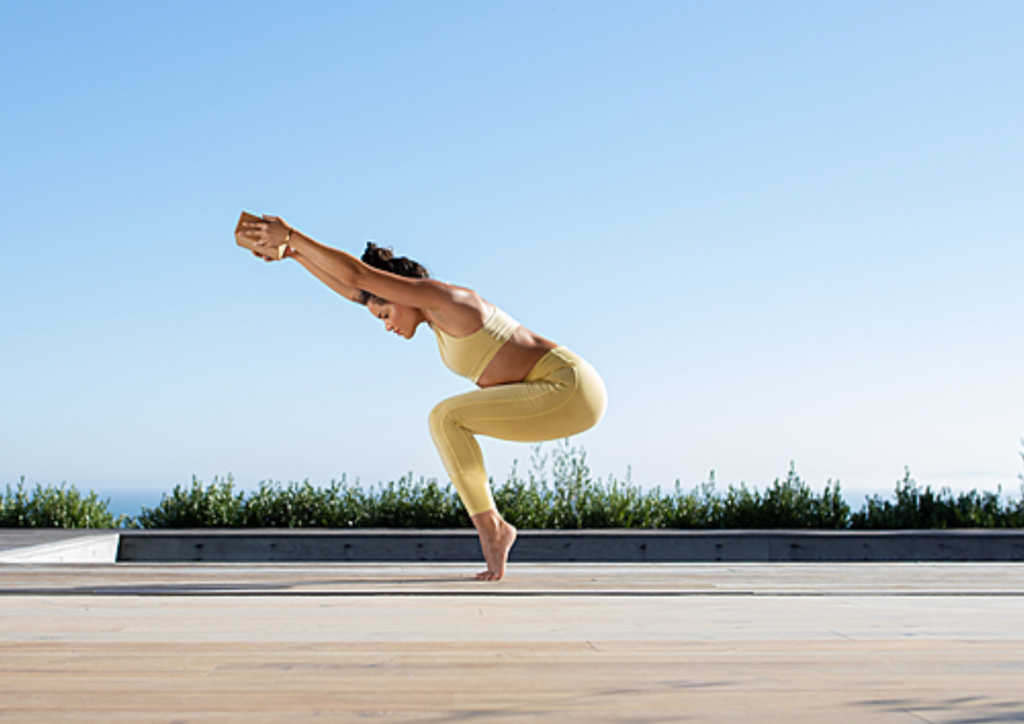
Starting your day with yoga is one of the best ways to awaken your body, calm your mind, and set a positive tone for the hours ahead. Adding yoga blocks to your routine takes this practice to a new level, offering support, improving alignment, and helping you deepen your stretches. Whether you’re a seasoned yogi or just beginning your journey, this all-levels morning yoga stretch will refresh, energize, and prepare you for the day. Let’s roll out the mat, grab your yoga blocks, and welcome the morning with this rejuvenating sequence. Start in a gentle Child’sChild’s Pose to center yourself. Place a block under your forehead or chest to help release tension and create a soothing stretch for your back. Stretch your arms forward, take deep breaths, and allow your body to relax into this grounding pose. Transition to all fours and place your hands on yoga blocks. Move through Cat-Cow stretches by arching your back and rounding it as you exhale. The blocks provide elevation, allowing for deeper spinal movement and improved mobility in the morning. Step your right foot forward into a low lunge. Place blocks on either side of your front foot to rest your hands and ensure stability. Let your hips gently sink, feeling a stretch in the hip flexors. Hold for several breaths before switching sides. This pose helps release tightness from prolonged sitting or sleeping. From your low lunge, straighten your front leg and shift your hips back into Half Splits. Use blocks under your hands to maintain balance and deepen the hamstring stretch without straining. Hold on each side, focusing on lengthening your legs and relaxing into the pose. Place your hands on the blocks at the top of your mat and lift into Downward-Facing Dog. The added height from the blocks makes it easier to extend your spine and press your heels toward the floor. This gentle inversion invigorates the body and improves circulation. Step forward into a Forward Fold, keeping the blocks under your hands for support. This adjustment ensures a comfortable stretch in your hamstrings and lower back while protecting you from overstretching. Let your head hang heavy as you take calming breaths. With a block between your thighs, sink into a Chair Pose. Press your thighs gently into the block, activating your inner thighs and stabilizing your posture. This pose strengthens your legs and core while improving focus and balance. Step back with one leg into Warrior II. Use a block under your front thigh for extra support, or place a block on the floor to rest your hand for alignment. This pose strengthens your legs and opens your hips, leaving you feeling powerful and steady. Lie on your back and slide a block under your sacrum for a supported Bridge Pose. This restorative pose opens the chest, stretches the spine, and gently energizes the body. Close your eyes and take deep, mindful breaths. End your morning stretch with Savasana, placing blocks under your knees to relieve tension in your lower back. Relax your arms at your sides, breathe deeply, and let your body soak in the practice’s benefits. This moment of stillness prepares you to face the day with clarity and ease. Elevate Your Morning with Yoga Blocks Incorporating yoga blocks into your morning stretch routine transforms your practice, making it accessible, supportive, and more effective for all levels. This flow will leave you feeling flexible, balanced, and energized, ready to embrace whatever the day brings. So, grab your blocks, take a deep breath, and let yoga guide you to a calm and focused start to your day. Namaste!

Morning Yoga Stretch with Blocks – Energize Your Day Read More »

15-Minute Morning Yoga Flow with Yoga Blocks for a Perfect Start

Kickstart your morning with a refreshing 15-minute yoga flow designed to wake up your body, energize your mind, and set a positive tone for the day. Using yoga blocks in this routine can enhance alignment, increase flexibility, and provide support, making it accessible for all levels. This gentle yet invigorating flow will guide you through essential poses, allowing you to move mindfully and connect with your breath. Ready to start your day with a dose of calm and strength? Grab your blocks, roll out your mat, and let’s dive in! Begin in Child’s Pose to ground yourself and focus on your breath. Place a block under your forehead to gently support your head and release tension in your neck. Allow your arms to reach forward or rest alongside your body. Take deep breaths, feeling your back expand as you relax. Transition onto all fours, placing a block under each hand. Move through Cat-Cow, arching your back on the inhale and rounding on the exhale. The blocks provide added height, helping you deepen the stretch in your spine. This movement warms up the back and promotes flexibility. Step your right foot forward into a low lunge position. Place blocks on either side of your front foot to support your hands. This allows you to focus on the hip stretch without straining. Hold for a few breaths, then switch to the left side. This pose opens up tight hips and energizes your legs. Straighten your front leg from your lunge and shift your hips back, moving into Half Split. Use the blocks under your hands for stability and to gently deepen the hamstring stretch. This pose helps release tension in the back of your legs, which often feels tight in the morning. Repeat on both sides. Place your hands on the blocks at the top of your mat and lift into Downward-Facing Dog. The blocks give you extra elevation, making pressing your heels toward the floor and elongating your spine easier. Hold several breaths, feeling the stretch through your arms, back, and legs. Walk your feet to the front of your mat, bringing yourself into a Forward Fold. Place the blocks under your hands to bring the floor closer, which helps reduce strain on your hamstrings. Allow your head to hang heavy and relax, letting go of any remaining tension. Stand tall and bring a block between your thighs. Press your legs into the block as you sink into Chair Pose, keeping your core engaged. The block encourages inner thigh activation, strengthening your legs and stabilizing your posture. Hold for a few breaths, focusing on building heat in your body. Step back with your left foot, entering Warrior II with a block under your front thigh if you need additional support. This pose opens the hips, stretches the legs, and strengthens your core. Repeat on both sides, holding each side for a minute. Lie down on your back and place a block under your sacrum for a supported Bridge Pose. This gentle backbend opens the chest and stretches the spine while keeping the lower back safe. Close your eyes and take deep breaths, allowing your body to relax and unwind. Finish your flow with Savasana, placing blocks under your knees for added comfort. Rest your arms at your sides, close your eyes, and breathe deeply. This relaxation allows your body to absorb the benefits of the practice and prepares you for the day ahead. Start Your Day Right with Yoga Blocks In just 15 minutes, this gentle morning flow with yoga blocks can help you find balance, calm, and energy. Yoga blocks provide support and deepen stretches, making the poses accessible and effective. Practicing this morning routine will help with flexibility and strength and improve mental clarity and focus. So take this time to nurture your mind and body and set a positive tone for the day ahead. Namaste!

15-Minute Morning Yoga Flow with Yoga Blocks for a Perfect Start Read More »

5 Creative Ways to Use a Yoga Block for Your Practice

Yoga blocks are some of the most versatile props in the yoga world. Whether new to yoga or a seasoned practitioner, incorporating a yoga block into your practice can help you deepen stretches, enhance alignment, and make challenging poses more accessible. But how exactly should you use a yoga block? Here are five effective ways to incorporate this essential prop into your routine. Yoga blocks can help you safely deepen stretches, especially when flexibility is limited. If you’re working on a forward fold like Uttanasana or a side stretch in Parsvottanasana, placing a block under your hands, feet, or head can help you reach further without straining your muscles. For example, placing a block under your hips in a seated forward bend will elevate your sitting bones, making it easier to hinge forward at the hips and stretch your spine. This allows for a more comfortable and deeper stretch. One of the most common ways to use a yoga block is to stabilize and align in standing poses. If you struggle with balance or find it difficult to maintain your alignment, a block can help. In Trikonasana (Triangle Pose), for instance, placing a block under your bottom hand can help you align your torso and lengthen your spine, preventing you from reaching too far and losing balance. Similarly, in Warrior II (Virabhadrasana II), a block can be placed between the legs to remind you to maintain the proper distance for optimal stability. Seated poses like Sukhasana (Easy Pose) or Virasana (Hero Pose) can sometimes be uncomfortable for those with tight hips or lower back issues. A yoga block can help by providing additional support for the hips. Sitting on a block can help elevate the pelvis, allowing for a more neutral spine and making seated positions more comfortable. It also helps lengthen the spine and open the chest, enhancing breathing and posture during meditation or pranayama (breathing exercises). Yoga blocks are also excellent for modifying poses that require more flexibility or strength than you currently have. They can be used to progressively build strength in poses like Plank or Chaturanga, where you might not yet be able to lower yourself to the floor. In Downward-Facing Dog (Adho Mukha Svanasana), placing a block under your hands or feet can help align your body and create more shoulder space, making it easier to hold the pose for longer periods. Similarly, in Camel Pose (Ustrasana), you can place a block between your legs to help maintain the correct distance and prevent collapsing in your lower back. Yoga blocks are indispensable for restorative yoga, which focuses on deep relaxation and healing. They offer gentle support during long-held poses, allowing the body to fully relax into the stretch without overexertion. In poses like Supported Child’s Pose (Balasana) or Reclined Butterfly Pose (Supta Baddha Konasana), placing a block under the head, back, or knees can help release tension and allow your body to surrender into the posture. A block can also be placed under the back during Supported Fish Pose to gently open the chest and allow deeper breathing. Unlock Your Full Potential with a Yoga Block Yoga blocks are not just for beginners—they are valuable tools for all levels of practitioners. Whether you want to deepen stretches, improve alignment, or modify challenging poses, a yoga block can elevate your practice. With just one simple prop, you can add variety, stability, and support, making your yoga routine more accessible and enjoyable. So grab a block, get creative, and see how it can enhance your yoga experience today!

5 Creative Ways to Use a Yoga Block for Your Practice Read More »

How Many Yoga Blocks Do You Need? Your Guide to Choosing the Right Support

Yoga blocks are invaluable tools for enhancing your practice, providing stability, and making poses more accessible. But how many yoga blocks do you need—one, two, or more? The answer depends on your practice goals, personal comfort, and yoga style. In this guide, we’ll explore how different numbers of blocks can support your yoga journey. Why Use Yoga Blocks? Yoga blocks make poses safer and more accessible, especially for beginners, by improving alignment and adding stability. They allow you to maintain correct posture in challenging poses, deepen stretches, and support your body in restorative poses. Even advanced practitioners use blocks to refine their alignment and make complex poses more comfortable. With blocks, you can adapt each practice session to suit your needs, enhancing your yoga experience. One block can significantly enhance your practice if you’re starting out or on a budget. Here’s how one block can support you: With just one block, you can access essential support that enhances stability, makes seated poses more comfortable, and allows for gentle backbends. Two blocks are often ideal for a more versatile practice. Many yoga instructors recommend this setup, as it allows for balanced support in a wider variety of poses and offers additional stability. Two blocks offer stability, balance, and the flexibility to experiment with more challenging poses. For most practitioners, two blocks will cover a wide range of needs and support a well-rounded practice. While only essential for some practitioners, advanced yogis or those focused on restorative or therapeutic practices might benefit from three or more blocks. Here’s why: If you practice advanced or restorative yoga, three or more blocks may provide the extra support you need to explore these poses safely. Choosing the Right Number for Your Practice The number of yoga blocks you need ultimately depends on your personal goals, practice style, and skill level. Here’s a quick guide to help you decide: Invest in Your Practice Yoga blocks are more than simple props—they’re versatile tools that offer support, stability, and enhanced alignment at every level. Whether you choose one block or several, each block supports you in creating a more stable, safe, and enriching yoga practice. Start with what feels right, and let your practice evolve as you grow.

How Many Yoga Blocks Do You Need? Your Guide to Choosing the Right Support Read More »