Blog

Your blog category

What’s the Difference Between a Yoga Brick and a Yoga Block? Here’s Everything You Need to Know

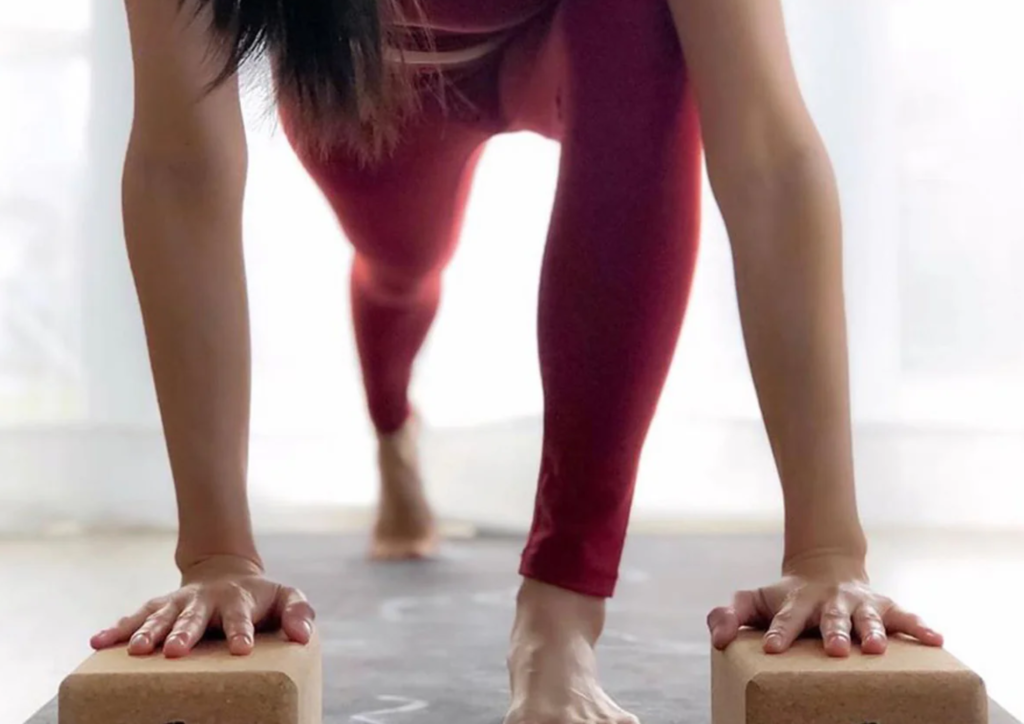
Yoga props like blocks and bricks are: While “yoga block” and “yoga brick” are often used interchangeably, they refer to slightly different items with unique benefits. Understanding these differences can help you choose the right prop to elevate your practice, whether you’re a beginner or an advanced yogi. Let’s explore the distinctions between yoga bricks and yoga blocks and how each can enhance your yoga journey. One of the primary differences between yoga bricks and yoga blocks lies in their shape and dimensions: In essence, yoga blocks offer a broader base and are generally used for support over a larger area. At the same time, bricks provide more precise support, helping to refine alignment in smaller spaces. The choice between a yoga block and a yoga brick often comes down to the kind of support you need during your practice: Whether you’re looking for broad support (blocks) or something smaller and more specific (bricks), each prop serves a different purpose and can be used effectively, depending on your needs. Both yoga blocks and bricks are made of various materials, including foam, cork, and wood, but they may differ slightly in firmness based on their design and function. Choosing between materials depends on your preferences and your yoga type. Firmer materials work well for added stability, while foam provides comfort in supportive, restorative poses. Both props add immense versatility to your practice, allowing you to adjust each asana to suit your body’s needs. Ultimately, yoga blocks and bricks have a place in a well-rounded yoga practice. If you’re new to yoga or prefer support in basic poses, a yoga block may be the most versatile option. A yoga brick can be handy for more targeted support in specific poses or to add subtle challenges to your practice. Many practitioners find value in having both props available, as they complement each other and provide options for different types of support. Final Thoughts: Embrace Both for a Balanced Practice Yoga blocks and bricks are not exclusive to one skill level—they’re valuable tools that enhance alignment, support, and flexibility for yogis at all stages. By understanding the differences and benefits of each, you can incorporate both into your routine to explore new depths and adjustments in your practice.

What’s the Difference Between a Yoga Brick and a Yoga Block? Here’s Everything You Need to Know Read More »

Are Yoga Blocks Just for Beginners? Not! Here’s Why

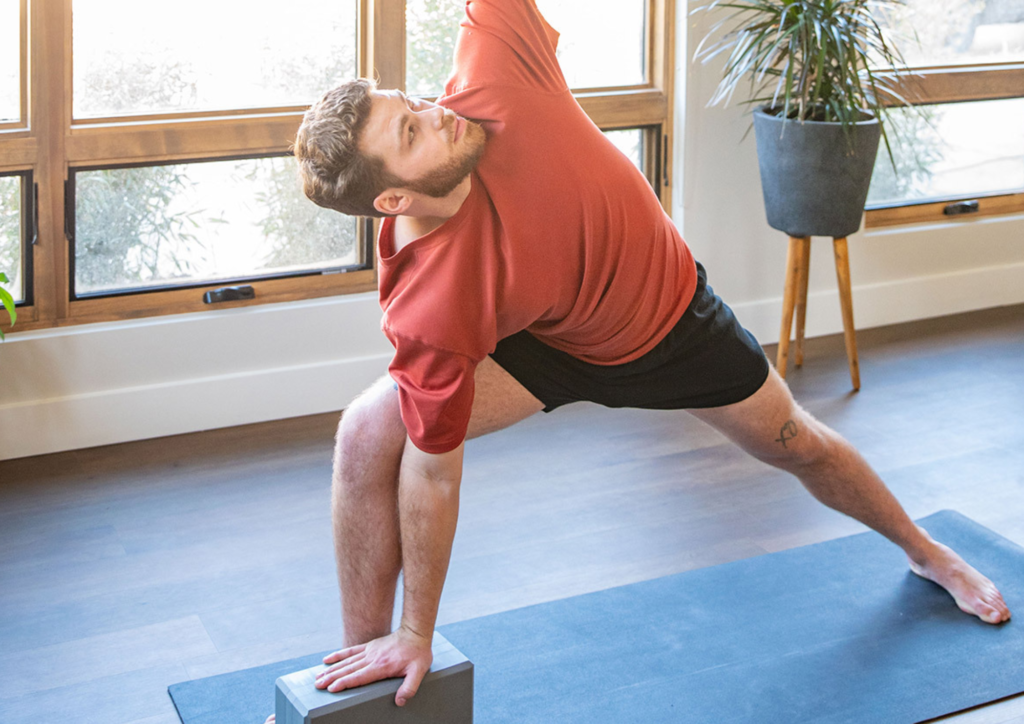
Yoga blocks are often seen as a beginner’s tool, but they are far more versatile and beneficial than many realize. These simple blocks can transform your yoga practice, helping with alignment, strength, and flexibility for yogis at all levels. Whether you are a beginner learning the basics or an advanced practitioner deepening your poses, yoga blocks provide unique advantages for everyone. Let’s dive into how yoga blocks can enhance your practice, no matter your experience level. One of the main benefits of yoga blocks is the added support they offer in more challenging poses. This is useful not only for beginners but also for advanced practitioners working in complex positions. For example, blocks can help with balancing poses like Half Moon (Ardha Chandrasana) or Triangle Pose (Trikonasana), giving you the stability to focus on alignment rather than risking a wobbly stance. Using a block doesn’t mean you lack strength; it allows you to hold poses longer and with proper alignment. This stability can deepen your practice, as you can engage fully with each posture instead of rushing to maintain balance. Flexibility isn’t an overnight achievement; it’s a gradual process. Yoga blocks help you safely progress toward more flexibility without overstretching or straining. Suppose you’re working on a pose like Forward Fold (Uttanasana) or Seated Forward Bend (Paschimottanasana) but can’t quite reach your toes. In that case, a block allows you to comfortably reach your hands to a higher point, making the pose accessible while your flexibility improves. Even advanced yogis benefit from blocks to reach new levels of flexibility in postures like Splits (Hanumanasana). By placing a block under your front thigh or calf, you can lower into the pose without discomfort, giving your body time to adjust and open gradually. Yoga blocks can significantly deepen your stretches, giving you the leverage to engage more muscle groups without forcing your body. For example, in poses like Pigeon Pose (Eka Pada Rajakapotasana), placing a block under your hip provides support, allowing you to settle into the stretch without overstressing your joints. This gentle support helps you safely explore your body’s limits, preventing injuries and unnecessary strain. Deep stretches with blocks are a valuable technique for all yogis, as they allow you to work on areas that might otherwise remain tight or underdeveloped. This is especially useful for advanced practitioners who want to enhance flexibility without pushing their bodies too far. Using a block can be a powerful tool for strength training. For example, holding a block between your hands in Warrior III (Virabhadrasana III) or between your thighs in Boat Pose (Navasana) increases resistance, activating your core, leg, and arm muscles. Adding this level of challenge can help advanced practitioners build greater strength while working on balance. Balancing with a block is a fantastic way to engage stabilizing muscles you might not target otherwise. By squeezing a block in certain poses, you activate and strengthen muscle groups essential for stability in more advanced positions. This added resistance is beneficial at any level and takes strength-building to the next stage. Yoga is as much a mental practice as it is a physical one. Blocks offer a tool for mindful movement, helping you slow down, check your alignment, and focus on your breath. For example, placing a block under your hands in poses like Child’s Pose (Balasana) or Extended Puppy Pose (Uttana Shishosana) elevates your chest. It allows you to deepen the stretch without compromising your posture. Using blocks encourages a sense of presence and alignment in every pose, no matter how advanced. Instead of rushing into the full expression of a pose, you’re more likely to notice the details, helping you build body awareness and refine your practice. Injury prevention is crucial for both beginners and advanced practitioners, and yoga blocks offer valuable support to reduce the risk of strain. For example, suppose you’re working on a deep hip opener or a backbend. In that case, a block can prevent you from going beyond your body’s current capability, helping you approach challenging poses more safely. By providing extra support, blocks help you ease into poses gradually. This allows you to work on more intense stretches and postures while minimizing the risk of injuries that can come from pushing too hard too soon. Final Thoughts: Yoga Blocks Are Essential for Every Yogi Yoga blocks are far from “just for beginners.” They offer a variety of benefits that enhance stability, flexibility, strength, and mindfulness for yogis at every level. Advanced practitioners often find that blocks allow them to refine and deepen their practice, while beginners use them to build up to new poses safely. So, next time you unroll your mat, don’t hesitate to grab a block or two. These versatile tools support, strengthen and stretch you—wherever you are on your yoga journey.

Are Yoga Blocks Just for Beginners? Not! Here’s Why Read More »

Unlock Your Practice: 13 Creative Ways to Use Yoga Blocks

Yoga blocks are often seen as simple props, but these versatile tools can significantly enhance your practice, making it more accessible, safe, and enjoyable. Whether you are a beginner seeking support or an advanced yogi looking to deepen your poses, yoga blocks can be your best ally on the mat. Here are 13 innovative ways to incorporate yoga blocks into your routine that will transform your practice and unlock new levels of flexibility and strength. Yoga blocks provide the necessary support to modify poses, making them more accessible. For instance, placing blocks under your hands in a standing forward fold can ease tension in your back and hamstrings, allowing you to maintain alignment without straining. Are you struggling with balance poses? Use a block to create a stable foundation. For example, place a block under your foot during Tree Pose to help stabilize your balance while you focus on engaging your core and standing tall. Blocks can help you deepen your stretches safely. In poses like Triangle Pose, placing a block under your bottom hand allows you to reach for the floor without compromising your alignment, promoting a more effective stretch in your side body. In restorative yoga, blocks can serve as gentle supports. Use them under your knees in Supta Baddha Konasana (Reclining Bound Angle Pose) or beneath your back in a supported bridge pose to create a sense of relaxation and ease. Yoga blocks can help ensure proper alignment. For example, in Warrior II, placing a block under your front knee can remind you to engage your core and maintain a strong base, enhancing your overall stability. Inversions can be intimidating, but blocks can offer support as you build strength and confidence. Try using blocks under your hands in Downward Dog as you prepare for a headstand or forearm stand, providing extra height and stability. Blocks can help create length in the spine. In seated forward bends, placing blocks under your thighs or calves allows for a more comfortable position, helping you relax into the pose and release tension in your back. Blocks can provide stability and support when transitioning between poses. For example, while moving from a Downward Dog to a standing forward fold, place your hands on blocks to ease the shift and maintain control throughout the movement. In poses like Boat Pose, using blocks can increase core engagement. Hold a block between your hands while lifting your legs to challenge your core and improve your balance, adding a dynamic element to your practice. Blocks can be invaluable for shoulder stretches. In poses like Puppy Pose, placing a block under your forehead can help you relax into the stretch, deepening your shoulder opening while keeping your neck supported. Using blocks can elevate your practice, quite literally! In poses like Pigeon or Half Pigeon, placing a block under your hip can help you find greater comfort and alignment, allowing for a deeper release in the hips. Blocks can be used as a form of resistance training. In poses like Plank, place a block between your thighs and squeeze to engage your inner thighs, enhancing the strength-building aspect of your practice. Finally, let your creativity shine! Use blocks to explore new variations of traditional poses. For instance, try a block-supported backbend or an elevated Warrior III to challenge your balance and engage different muscle groups. Incorporating yoga blocks into your practice opens up possibilities, allowing you to modify poses, enhance your alignment, and deepen your stretches. Whether new to yoga or a seasoned practitioner, these versatile props can elevate your experience and make your practice more enjoyable. So grab your blocks and explore these 13 innovative ways to enhance your yoga journey today! Your mat is your playground—embrace the adventure!

Unlock Your Practice: 13 Creative Ways to Use Yoga Blocks Read More »

Master the Basics: 5 Essential Yoga Poses with Yoga Blocks for Every Beginner

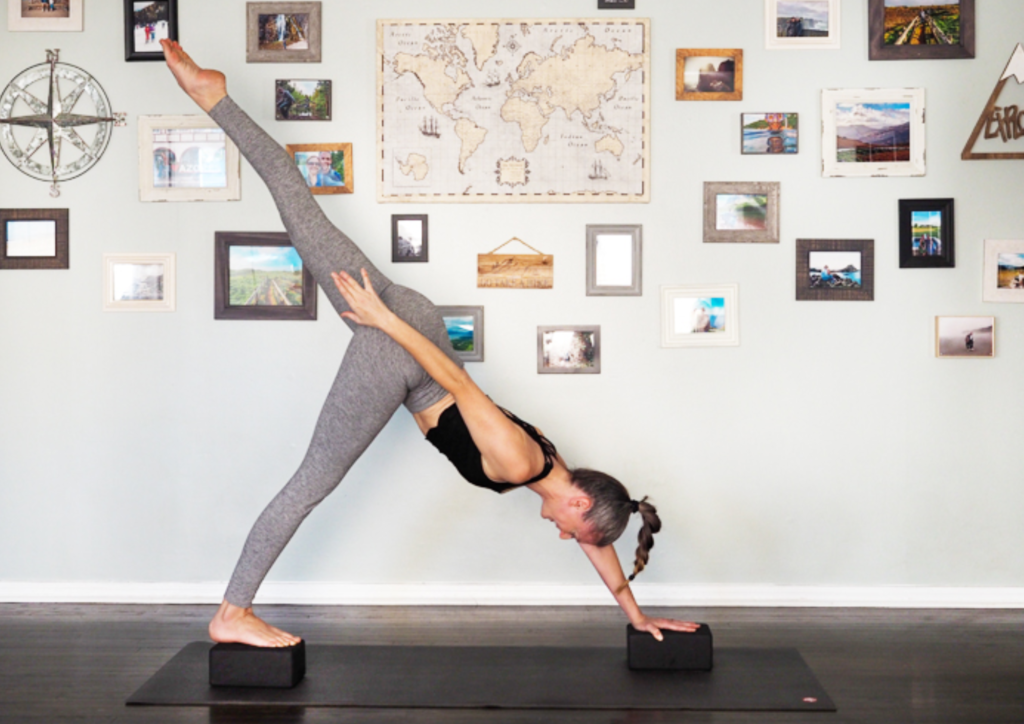
Yoga is a fantastic way to improve flexibility, build strength, and find mental clarity, but let’s face it – not every pose is a breeze right from the start. Whether you’re a beginner or looking to deepen your practice, yoga blocks can be a game-changer. These handy props help bridge the gap between you and the mat, making challenging poses more accessible and supporting safe, proper alignment. In this post, we’ll explore five foundational yoga poses where blocks can help you achieve stability and reach deeper stretches. Let’s dive into the world of yoga blocks and how they can make these five essential poses feel effortless! 1. Downward-Facing Dog (Adho Mukha Svanasana) Downward-Facing Dog is one of the most widely recognized yoga poses, but it can be challenging for beginners due to tight hamstrings or stiff shoulders. Enter the yoga block. With the support of blocks, you can build strength and flexibility in this classic pose without straining your body. 2. Forward Fold (Uttanasana) A Forward Fold is wonderful for stretching the hamstrings and calming the mind, but it can feel uncomfortable if you have tight muscles. Using blocks in a Forward Fold will help you ease into the stretch, ultimately improving flexibility over time. 3. Triangle Pose (Trikonasana) Triangle Pose is a standing posture that stretches the sides of the body, strengthens the legs, and improves balance. In Triangle Pose, the block offers the stability needed to keep proper alignment, which also deepens the stretch on both sides of the body. 4. Bridge Pose (Setu Bandhasana) Bridge Pose is a great backbend that strengthens the legs, glutes, and core while opening the chest. Adding a block under the sacrum in Bridge Pose transforms it into a more restorative posture, ideal for winding down. 5. Seated Forward Fold (Paschimottanasana) A Seated Forward Fold stretches the entire back body but can feel intense for anyone with tight hamstrings or a stiff lower back. Using a block in a Seated Forward Fold helps to bring the stretch within reach, ensuring a safer, more effective stretch. Conclusion: Incorporating yoga blocks into your practice is an empowering way to make challenging poses more accessible while encouraging proper alignment. These five foundational poses, enhanced by yoga blocks, will help you build confidence, flexibility, and strength. Remember, yoga is about honoring where you are today – props like blocks are here to support you on your journey. So next time you step onto your mat, reach for a block and explore the full potential of these essential poses. Embrace your practice with ease, breathe deeply, and enjoy the journey with your yoga blocks by your side!

Master the Basics: 5 Essential Yoga Poses with Yoga Blocks for Every Beginner Read More »

Find Balance at Home: A Simple Yoga Routine for Wellness

In today’s fast-paced world, carving out time for self-care can be challenging. Fortunately, yoga is an accessible and powerful practice that you can enjoy right at home. This home yoga routine is designed to bring peace, strength, and flexibility into your day, no matter your experience level. All you need is a yoga mat and an open mind, so let’s get started! 1. Begin with Grounding Breaths (5 Minutes) Starting with deep, grounding breaths helps calm your mind and bring focus to the present moment. Sit comfortably on your mat with your spine straight, shoulders relaxed, and hands resting on your knees. Close your eyes and take a deep breath in through your nose, filling your lungs completely, and then exhale slowly. Repeat this for five minutes, allowing your breath to flow naturally. This simple breathing exercise, often called pranayama, will ease you into the practice, reducing stress and setting the tone for a mindful session. 2. Warm Up with Cat-Cow Stretches (5 Minutes) Now, move into Cat-Cow stretches to gently warm up your spine. Begin on all fours with your hands under your shoulders and knees under your hips. On an inhale, drop your belly, lift your chest, and look up (Cow Pose). As you exhale, round your spine, tuck your chin, and arch your back (Cat Pose). Flow between these two poses with each breath for about five minutes. This movement awakens your back, stretches your torso, and improves flexibility in your spine, setting a smooth foundation for the rest of your practice. 3. Strengthen with Downward Dog and Plank Flow (10 Minutes) Next, flow between Downward Facing Dog and Plank Pose to build strength and stretch your body. Start in Downward Dog, forming an upside-down V shape by lifting your hips and pressing your heels toward the ground. Hold for a few breaths, feeling the stretch along your hamstrings and spine. Then, shift forward into Plank Pose, engaging your core and aligning your shoulders above your wrists. Hold Plank for a few breaths, then return to Downward Dog. Repeat this flow five to eight times. This combination strengthens your arms, core, and shoulders while providing a gentle stretch for your legs and back. 4. Open Up with Warrior Sequence (10 Minutes) The Warrior sequence helps build strength, balance, and focus. Start in a standing position and step your right foot forward, bending the knee to form a 90-degree angle while keeping your left leg straight and strong behind you. Extend your arms parallel to the ground and turn your gaze over your right hand (Warrior II). Hold for five breaths, feeling the power in your legs and core. Transition to Reverse Warrior by reaching your right arm overhead and slightly back, feeling a stretch along your right side. Hold for a few breaths, then switch sides. This sequence energizes and opens your body, providing a full-body workout that enhances stability. 5. Relax and Release with Seated Forward Fold (5 Minutes) Sit on the mat with your legs extended in front of you, toes pointing up. Inhale, reaching your arms overhead, and as you exhale, fold forward, reaching for your toes or ankles. Allow your spine to lengthen, feeling a gentle stretch along your hamstrings and lower back. Hold for several breaths, releasing any tension. This pose encourages flexibility in the lower body and helps calm the mind. 6. Soothe with Gentle Twists (5 Minutes) Gentle twists are wonderful for releasing tension in the spine and aiding digestion. Sit with your legs extended, bend your right knee, and place your foot outside your left knee. Place your left elbow outside your right knee and twist gently to the right. Hold for several breaths, feeling the stretch along your spine. Repeat on the other side. This simple twist helps detoxify your system and leaves you feeling refreshed. 7. End with a Calming Savasana (10 Minutes) Finish your practice with Savasana, or Corpse Pose, for deep relaxation. Lie flat on your back with your legs slightly apart and your arms relaxed at your sides. Close your eyes, allowing your body to feel heavy and completely relaxed. Let your breath return to its natural rhythm, and stay here for 10 minutes, focusing on releasing any remaining tension. This final pose allows you to absorb the benefits of your practice, leaving you balanced and rejuvenated. Enjoy the Benefits of Your Home Yoga Routine This home yoga routine is a perfect blend of stretching, strength-building, and relaxation, offering physical and mental benefits without leaving home. Practice it daily or a few times a week to experience greater peace, flexibility, and vitality. So, roll out your mat, breathe deeply, and make time to connect with yourself—right in the comfort of your own home. 4o

Find Balance at Home: A Simple Yoga Routine for Wellness Read More »

Unlocking Wellness: The Incredible Benefits of Yoga

In a world filled with constant distractions and fast-paced living, the ancient practice of yoga has emerged as a sanctuary for those seeking balance, peace, and overall well-being. Rooted in more than 5,000 years of history, yoga combines physical postures, breathing techniques, and meditation to foster a harmonious connection between body, mind, and spirit. Whether you’re a beginner or a seasoned practitioner, the benefits of yoga can significantly enhance your life. Let’s delve into the remarkable advantages that yoga offers to individuals of all ages and backgrounds. 1. Enhanced Flexibility and Strength One of the most immediate benefits of practicing yoga is increased flexibility. Many of the poses encourage deep stretching, helping to improve your range of motion and reduce stiffness. Over time, regular practice can lead to improved flexibility in the hips, shoulders, and spine. In addition to flexibility, yoga builds strength. Postures such as Downward Dog and Warrior II require the engagement of various muscle groups, leading to increased overall muscle tone. Stronger muscles support your joints, reduce the risk of injury, and contribute to better posture. 2. Stress Relief and Mental Clarity Yoga is renowned for its ability to alleviate stress and promote relaxation. Through focused breathing techniques and mindfulness, practitioners can quiet their minds, reduce anxiety, and cultivate a sense of inner peace. The meditative aspect of yoga encourages self-awareness and mental clarity. As you practice, you learn to observe your thoughts without judgment, leading to enhanced emotional resilience and the ability to cope with everyday challenges more effectively. 3. Improved Balance and Coordination Many yoga poses focus on balance, which can enhance overall stability and coordination. Practicing standing postures, like Tree Pose or Eagle Pose, challenges your balance and strengthens the muscles that support stability. This improved balance is particularly beneficial for older adults, as it can help prevent falls and enhance mobility. Incorporating yoga into your routine can lead to greater confidence in your physical abilities. 4. Better Posture and Spinal Health In today’s digital age, poor posture has become a common issue, often leading to back pain and discomfort. Yoga promotes awareness of body alignment and encourages proper posture. Many poses strengthen the muscles that support the spine, contributing to better alignment. As you develop core strength through yoga, you may notice a decrease in tension and discomfort in the back and neck, leading to an overall sense of well-being. 5. Enhanced Respiratory Function Breath is a central focus in yoga, and practicing breathing techniques (pranayama) can significantly enhance lung capacity and overall respiratory function. Deep, controlled breathing encourages oxygen flow throughout the body, improving energy levels and promoting relaxation. This focus on breath not only aids physical performance but also fosters a sense of calm and clarity, making it easier to manage stress and anxiety. 6. Emotional Healing and Self-Discovery Yoga is not just a physical practice; it’s a journey of self-discovery. As you engage in yoga, you become more attuned to your body, emotions, and thoughts. This heightened self-awareness can lead to emotional healing and personal growth. Many practitioners report experiencing greater self-acceptance and compassion as a result of their yoga practice. By cultivating mindfulness, you can learn to respond to challenges with grace and ease, enhancing your overall quality of life. 7. Community and Connection Yoga often fosters a sense of community and connection. Joining a yoga class or studio allows you to meet like-minded individuals, creating opportunities for friendships and social support. Being part of a yoga community can enhance your motivation to practice regularly and provide a sense of belonging, further enriching your yoga experience. Embrace the Journey of Yoga The benefits of yoga extend far beyond the physical realm. By embracing this holistic practice, you can unlock a healthier, more balanced lifestyle. From increased flexibility and strength to enhanced mental clarity and emotional healing, yoga offers transformative benefits that can improve your overall well-being. As you embark on or continue your yoga journey, remember that the practice is about progress, not perfection. With each session, you move closer to unlocking your full potential, both on and off the mat. So roll out your mat, take a deep breath, and begin reaping the incredible rewards of yoga today!

Unlocking Wellness: The Incredible Benefits of Yoga Read More »

“The Essentials of Yoga: Methods, Types, and Safety Tips”

Yoga has become one of the most popular ways to achieve physical fitness, mental calm, and spiritual well-being. With roots that stretch back over 5,000 years, yoga has evolved into various forms, each offering unique benefits. Whether you’re new to yoga or looking to deepen your understanding, here’s a closer look at the methods, types, philosophy, and potential risks associated with this ancient practice. Understanding Yoga: Methods and Practice The core of yoga is a series of physical postures (asanas), breathing techniques (pranayama), and meditation practices designed to align body, mind, and spirit. 1. Asanas (Postures):Yoga postures, or asanas, are the most recognizable part of yoga. Each pose, whether it’s a simple stretch or a complex twist, is designed to strengthen the body and increase flexibility. Common postures include Downward-Facing Dog, Warrior poses, and the Tree pose, all of which work to improve balance, endurance, and muscle tone. 2. Pranayama (Breath Control):Breathing techniques are foundational in yoga. Practicing pranayama helps to control the breath, relax the mind, and energize the body. Techniques like alternate nostril breathing (Nadi Shodhana) or deep belly breathing (Dirga Pranayama) help reduce stress, improve concentration, and increase lung capacity. 3. Meditation and Mindfulness:Meditation in yoga is designed to calm the mind, promote self-awareness, and help you live in the present. Methods like guided visualization, silent meditation, or focusing on a mantra help cultivate mindfulness, reduce anxiety, and improve emotional resilience. Types of Yoga: Different Styles, Different Goals Yoga has branched into various styles, each with a unique focus and approach. Here are some popular types: 1. Hatha Yoga:Hatha is one of the most traditional forms, focusing on gentle, slow-paced stretching and basic postures. It’s perfect for beginners who want to build strength and flexibility gradually. 2. Vinyasa Yoga:Often referred to as “flow” yoga, Vinyasa involves flowing from one pose to the next in harmony with breath. It’s a dynamic and physically demanding style that builds strength and endurance. 3. Ashtanga Yoga:This rigorous style involves a set series of postures performed in a specific order. Ashtanga is ideal for those looking for a disciplined, high-energy practice. 4. Bikram (Hot Yoga):Practiced in a heated room, Bikram yoga consists of 26 specific postures. The heat encourages detoxification through sweating and enhances flexibility. 5. Yin Yoga:Yin yoga focuses on long-held, passive poses that target deep connective tissues. It’s a calming practice that increases flexibility and promotes relaxation. 6. Kundalini Yoga:Kundalini yoga combines chanting, breathing exercises, and dynamic postures to awaken spiritual energy within the body. It’s ideal for those interested in the mental and spiritual aspects of yoga. The Philosophy of Yoga: Going Beyond the Physical At its core, yoga is more than physical exercise; it’s a way of life. The philosophy of yoga is rooted in the idea of achieving unity between body, mind, and spirit. This philosophy is built upon the “Eight Limbs of Yoga,” a guide outlined by Patanjali, the ancient sage who compiled yoga philosophy in the Yoga Sutras. These limbs include moral disciplines, physical postures, breath control, and meditation, all intended to foster a balanced, peaceful, and enlightened life. Yoga’s ultimate goal is self-realization, achieved by practicing mindfulness, self-discipline, and compassion. By embracing these principles, yoga practitioners strive to cultivate a deep inner peace that extends to all aspects of their lives. Risks and Precautions: Yoga Isn’t Without Its Challenges While yoga is generally safe for most people, there are certain risks, particularly when practicing advanced postures or styles without proper guidance. Yoga as a Path to Holistic Wellness Yoga offers a multifaceted approach to wellness, blending physical, mental, and spiritual elements. From Hatha’s gentle stretches to the rigorous pace of Vinyasa and the spiritual focus of Kundalini, there’s a style suited for everyone. Embracing yoga with mindfulness and caution can provide life-changing benefits, improving your strength, focus, and inner peace. Whether you’re drawn to yoga for fitness or seeking a deeper connection with yourself, this ancient practice offers a transformative journey towards holistic well-being. PRODUCT LINK :

“The Essentials of Yoga: Methods, Types, and Safety Tips” Read More »

What is Power Yoga? A Comprehensive Guide to This Dynamic Practice

Power yoga has gained immense popularity in recent years for its unique blend of traditional yoga poses and high-intensity movements. It’s more than just a workout—it’s a transformative practice that strengthens both the body and mind. But what exactly is power yoga, and how does it differ from other yoga styles? What is Power Yoga? Power yoga is a vigorous, fitness-focused style of yoga that incorporates elements of Vinyasa and Ashtanga yoga. Unlike the slow-paced flow of traditional yoga, power yoga is fast-paced, combining strength-building postures with continuous movement. It’s designed to build stamina, improve flexibility, and enhance concentration, making it a perfect choice for those looking for a challenging and dynamic workout. Key Features of Power Yoga No Set Routine: Unlike Ashtanga yoga, which follows a set series of poses, power yoga classes can vary widely depending on the instructor. This allows for creativity and diversity in practice. Dynamic Flow: Power yoga follows a sequence of poses in a fast flow, transitioning smoothly from one posture to another. This helps increase your heart rate and burn calories. Focus on Strength: While most yoga styles emphasize flexibility, power yoga prioritizes strength and endurance. Many poses engage your core, arms, and legs, making it a full-body workout. Breath-Body Connection: Like traditional yoga, power yoga focuses on connecting breath with movement. This breathing technique, called “Ujjayi” breathing, helps maintain focus and control throughout the practice. Benefits of Power Yoga Power yoga offers a range of benefits, both physically and mentally. Here are some key advantages: Who Should Try Power Yoga? Power yoga is ideal for those who want more than just a slow, meditative yoga practice. If you enjoy high-energy workouts that challenge your strength, flexibility, and balance, power yoga could be a perfect fit. It’s especially suitable for: How to Get Started with Power Yoga Getting started with power yoga is simple. Here are a few steps to help you begin: Power Yoga vs. Traditional Yoga While both power yoga and traditional yoga share the same foundational poses, their goals and approaches differ significantly: Power yoga is an excellent option for those looking for a full-body workout that combines the mindfulness of yoga with the intensity of a cardio session. It helps build strength, improve flexibility, and boost mental focus, making it a powerful tool for overall well-being. Whether

What is Power Yoga? A Comprehensive Guide to This Dynamic Practice Read More »

Yoga vs. Pilates: Key Differences for Fitness and Wellness

In the world of fitness, few practices stand out as much as yoga and Pilates. Both promise stronger bodies, calmer minds, and better health—but which one is right for you? Whether you’re aiming to enhance flexibility, build core strength, or simply find a moment of peace in your busy life, understanding the key differences between yoga and Pilates can help you make the perfect choice for your wellness journey. Yoga: A Holistic Practice Yoga is an ancient practice from India, dating back over 5,000 years. It combines physical postures, breathing exercises, and meditation to connect the body, mind, and spirit. Yoga emphasizes mental clarity, emotional balance, and spiritual growth, alongside physical fitness. Popular styles include Hatha, Vinyasa, and Ashtanga. Each focuses on different aspects of the practice, such as flexibility, relaxation, or strength. Pilates: A Modern Fitness Method Pilates was created in the early 20th century by Joseph Pilates. Initially developed for rehabilitation, it focuses on building core strength, improving posture, and toning muscles. Unlike yoga, Pilates is more fitness-centered, helping with balance and body alignment. While Pilates promotes mindfulness, it emphasizes physical precision, focusing on controlled movements to engage and strengthen specific muscles, especially the core. Physical Differences Movement Patterns Yoga typically involves holding poses or flowing through sequences. It combines stretching, strength-building, and mindfulness. Depending on the style, yoga can be slow and meditative or fast-paced and dynamic. Pilates, however, uses controlled, repetitive movements, often performed in sets. Whether on a mat or specialized equipment like a Reformer, Pilates movements focus on strengthening the core and maintaining control. Flexibility vs. Strength Yoga tends to focus more on flexibility. Many yoga poses are designed to lengthen the muscles, particularly in the spine, hips, and shoulders. This helps improve range of motion. Pilates focuses on strength, particularly in the core and lower back. While it also enhances flexibility, the primary goal is muscle tone and stability. Breathing Techniques Yoga: Pranayama Breathing In yoga, breathing is central. Specific breathing techniques, known as pranayama, are used to control energy within the body. Deep, rhythmic breathing helps practitioners stay mindful, calm, and in sync with their movements. This breathing also enhances the meditative aspect of yoga. Pilates: Breath for Core Activation In Pilates, breath supports muscle engagement, particularly in the core. Lateral breathing expands the ribcage while keeping the core activated. This breathing technique is essential for maintaining stability and alignment during exercises. Mind-Body Connection Yoga: A Meditative Practice Yoga’s mind-body connection is deeply rooted in mindfulness and meditation. The practice encourages focusing on the breath and staying present, promoting inner calm and emotional balance. Yoga often serves as a tool for stress relief and mental clarity, in addition to its physical benefits. Pilates: Precision and Focus Pilates also fosters a mind-body connection but focuses more on precision and control than meditation. Practitioners are encouraged to concentrate on the accuracy of each movement, ensuring correct form. This heightened focus leads to better body awareness and improved posture. Choosing Between Yoga and Pilates If you’re looking for a practice that enhances flexibility, reduces stress, and promotes spiritual growth, yoga may be the best fit. Its holistic approach nurtures both the body and mind, providing a sense of calm and balance. On the other hand, if your goal is to build core strength, improve posture, and tone muscles, Pilates might be more suitable. Pilates is particularly beneficial for those recovering from injuries or seeking to improve functional movement and muscle control. Both yoga and Pilates offer unique benefits, though they differ in their focus. Yoga is ideal for those seeking mindfulness, flexibility, and a spiritual connection, while Pilates emphasizes core strength, precision, and controlled movement. Whether you practice one or both, incorporating yoga or Pilates into your routine can lead to a healthier body and mind. Yoga and Pilates are popular fitness practices that offer numerous benefits, but they differ in approach and focus. Yoga emphasizes flexibility, mindfulness, and spiritual connection, with deep breathing and meditation being key components. Pilates, developed for core strength and rehabilitation, focuses on controlled movements, precision, and body alignment. Both improve physical and mental well-being but cater to different fitness goals. Yoga is ideal for enhancing flexibility and reducing stress, while Pilates builds strength and stability, especially in the core. Understanding their differences can help you choose the practice that aligns best with your personal wellness objectives.

Yoga vs. Pilates: Key Differences for Fitness and Wellness Read More »

11 Yoga Poses for Relaxation and Stress Relief

Looking to unwind and release stress? Discover 11 relaxing yoga poses that can help you relax and de-stress. Whether you’re a beginner or an experienced yogi, these gentle poses are perfect for calming the mind, easing tension in the body, and promoting overall relaxation. Each pose is simple, effective, and designed to help you find peace in both body and mind. Incorporating these poses into your routine can help you manage stress, reduce anxiety, and improve your sense of well-being. Read on to explore these restorative yoga poses and how they can enhance your relaxation routine. 1. Child’s Pose (Balasana) Child’s Pose is one of the most calming yoga postures, allowing you to gently stretch the back, hips, and shoulders while promoting relaxation. How to do it: 2. Cat-Cow Pose (Marjaryasana-Bitilasana) Cat-Cow Pose is a gentle flow that stretches the spine and helps relieve tension in the back and neck, perfect for releasing stress. How to do it: 3. Reclining Bound Angle Pose (Supta Baddha Konasana) This restorative pose opens the hips and chest, encouraging deep breathing and relaxation. How to do it: 4. Legs Up the Wall Pose (Viparita Karani) Legs Up the Wall is a simple yet effective pose that improves circulation, relieves tired legs, and calms the mind. How to do it: 5. Seated Forward Bend (Paschimottanasana) Seated Forward Bend stretches the spine and hamstrings, encouraging deep relaxation. How to do it: 6. Corpse Pose (Savasana) Savasana is the ultimate relaxation pose, often practiced at the end of a yoga session to help the body fully relax. How to do it: 7.4 Pose (Setu Bandhasana) Supported Bridge Pose stretches the chest, neck, and spine, helping to calm the brain and relieve stress. How to do it: 8. Happy Baby Pose (Ananda Balasana) How to do it: Happy Baby Pose releases tension in the lower back and hips, helping to calm the nervous system. 9. Supine Spinal Twist (Supta Matsyendrasana) This gentle twist releases tension in the spine and promotes relaxation. How to do it: 10. Puppy Pose (Uttana Shishosana) Puppy Pose stretches the spine and shoulders while encouraging a calming, restorative feeling. How to do it: 11. Easy Pose (Sukhasana) with Deep Breathing This simple seated posture combined with deep breathing is a perfect way to calm the mind and relax the body. How to do it: Incorporating these 11 yoga poses into your daily routine can help you relax, release stress, and promote overall well-being. Whether you’re new to yoga or experienced, these postures offer a calming escape from life’s pressures, helping you to feel more balanced and at peace. Top of Form Bottom of Form

11 Yoga Poses for Relaxation and Stress Relief Read More »