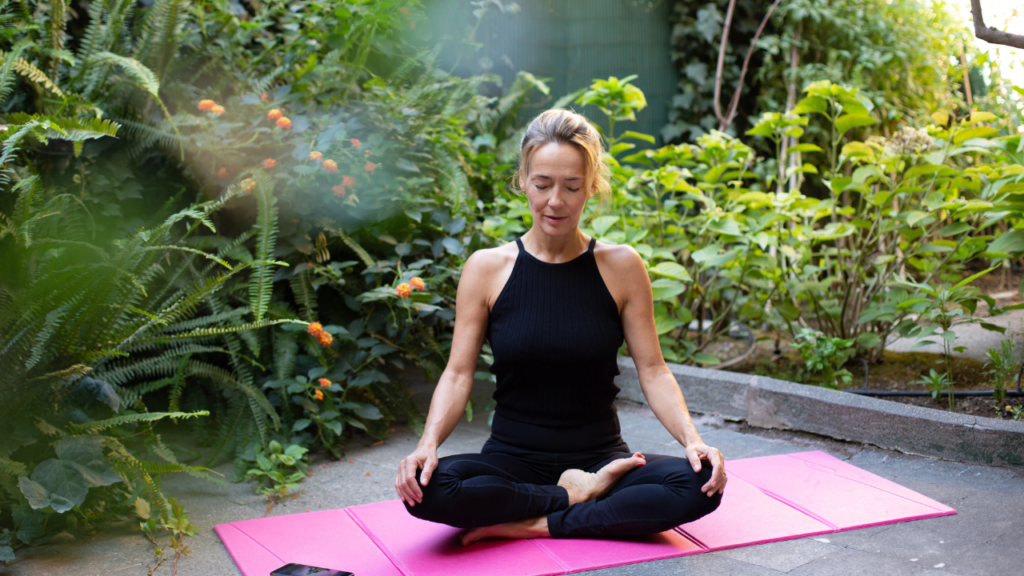
FIND YOUR INNER BALANCE: A DEEP DIVE INTO THE HEALING POWER OF SOMATIC AND HATHA YOGA
TABLE OF CONTENTS: What Is Yoga? The Main Components of Yoga What Is Somatic Yoga? How Somatic Yoga Works Key Benefits of Somatic Yoga What Is Hatha Yoga? The Foundation of Hatha Yoga Benefits of Hatha Yoga Choosing the Right Yoga Practice for You FIND YOUR INNER BALANCE: A DEEP DIVE INTO THE HEALING POWER OF SOMATIC AND HATHA YOGA n a fast-paced world where stress and tension often dominate, yoga stands as a timeless practice that offers balance, strength, and inner peace. But with so many styles available, it can be overwhelming to find the right fit. If you’ve ever wondered about the differences between somatic yoga, hatha yoga, and how they can benefit you, you’re not alone. Whether you’re new to yoga or a seasoned practitioner, this guide will shed light on these practices, helping you explore which one resonates with your personal wellness journey. What Is Yoga? Yoga is an ancient practice with roots in India, dating back over 5,000 years. The word “yoga” comes from the Sanskrit term “yuj,” which means to unite or yoke. At its core, yoga is about uniting the mind, body, and spirit through various practices such as physical postures (asanas), breathing techniques (pranayama), and meditation. Traditionally, yoga was developed as a means to achieve inner peace, self-realization, and enlightenment. While many in the West focus on the physical aspects of yoga, such as stretching and strength-building, the practice is much more than just a workout. It also includes mindfulness, which fosters mental clarity, emotional resilience, and a deep connection to one’s inner self. The Main Components of Yoga: Asanas (Postures): Physical poses that improve flexibility, strength, and balance. Pranayama (Breathing): Breathing exercises designed to control life force energy. Dhyana (Meditation): Mindful meditation aimed at quieting the mind and fostering inner awareness. Yamas and Niyamas: Ethical guidelines and personal disciplines that support a balanced life. Yoga’s holistic approach to wellness makes it a transformative practice for anyone looking to improve both physical health and mental well-being. What Is Somatic Yoga? Somatic yoga is a therapeutic form of yoga that focuses on the body’s internal experience of movement, rather than external appearance. The term “somatic” comes from the Greek word “soma,” meaning “the living body.” Somatic yoga prioritizes how the body feels during movement, helping practitioners develop heightened body awareness, release tension, and improve mobility. How Somatic Yoga Works: Somatic yoga combines slow, mindful movements with breathwork to retrain the brain and nervous system, encouraging a deep sense of relaxation. It is particularly effective for those dealing with chronic pain, stress, or limited mobility, as it focuses on gentle, conscious movement rather than rigorous postures. One of the key principles of somatic yoga is neuroplasticity, the brain’s ability to change and adapt. By focusing on subtle movements, somatic yoga helps “rewire” the brain to release habitual patterns of tension, improve posture, and restore natural body alignment. Key Benefits of Somatic Yoga: Pain Relief: Releases chronic muscle tension and eases discomfort. Enhanced Body Awareness: Helps you tune in to your body’s needs and sensations. Stress Reduction: Promotes relaxation through slow, mindful movements. Improved Flexibility and Mobility: Gently increases range of motion without straining the muscles. Somatic yoga is accessible to people of all ages and abilities, making it an excellent option for those looking to improve their well-being without pushing their bodies too hard. What Is Hatha Yoga? Hatha yoga is one of the most popular and widely practiced forms of yoga. The word “hatha” translates to “force” or “effort” in Sanskrit, and it generally refers to the physical practice of yoga. When people think of a traditional yoga class, they are often picturing hatha yoga, which includes basic poses and breathing exercises. The Foundation of Hatha Yoga: Hatha yoga focuses on balancing the body and mind through physical postures and controlled breathing. It is typically slower-paced than other forms of yoga, making it an ideal practice for beginners or those looking for a gentle but effective way to improve flexibility and strength. Hatha yoga combines three key elements: Asanas (Physical Poses): Hatha yoga includes a wide range of poses, from simple standing postures to more complex stretches, aimed at improving body alignment, balance, and flexibility. Pranayama (Breathing): Breath control is central to hatha yoga. Practitioners learn to synchronize breath with movement, which helps calm the mind and energize the body. Meditation: Hatha yoga incorporates meditation and mindfulness, often focusing on staying present during the practice, which promotes inner peace and mental clarity. Benefits of Hatha Yoga: Improved Flexibility: Regular practice stretches tight muscles and increases overall range of motion. Strength and Balance: Holding poses builds muscle strength and improves body balance. Mental Calm: The focus on breath control and meditation reduces stress and enhances mental focus. Holistic Wellness: Hatha yoga balances physical and mental health, supporting an overall sense of well-being. Hatha yoga is versatile, making it a good foundation for deeper exploration of other yoga styles, including more advanced practices like vinyasa, ashtanga, or kundalini yoga. Choosing the Right Yoga Practice for You Both somatic yoga and hatha yoga offer valuable ways to reconnect with your body, mind, and spirit. Whether you’re looking for a therapeutic practice to relieve tension and improve mobility or a balanced approach to physical fitness and mindfulness, yoga has something to offer everyone. By incorporating either of these styles into your routine, you can begin to experience the transformative power of yoga in your life.
FIND YOUR INNER BALANCE: A DEEP DIVE INTO THE HEALING POWER OF SOMATIC AND HATHA YOGA Read More »